Common Eye Problems, Solved
 It's great to look and see better, but you want your
eyes to feel better, too, whether it's by preventing itchy, watery
allergy symptoms or staving off age-related eye diseases. So we went on a
vision quest to round up the tests, treatments and warning signs you
need to know about so you'll see clearly into your next decade and
beyond.
It's great to look and see better, but you want your
eyes to feel better, too, whether it's by preventing itchy, watery
allergy symptoms or staving off age-related eye diseases. So we went on a
vision quest to round up the tests, treatments and warning signs you
need to know about so you'll see clearly into your next decade and
beyond.The Truth About Common Vision Myths

Here, we separate fact from fiction and set the record straight on four of the most commonly held beliefs regarding eyesight.
5 Foods for Healthy Eyes
 Beyond carrots
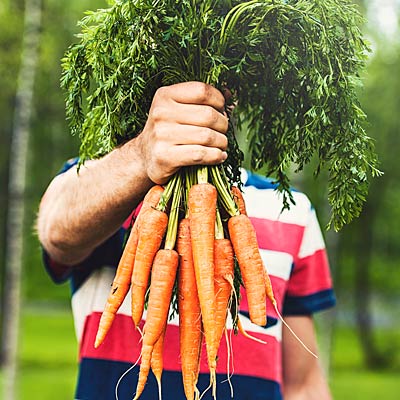
You've probably heard that carrots and other orange-colored fruits and vegetables promote eye health and protect vision, and it's true: Beta-carotene, a type of vitamin A that gives these foods their orange hue, helps the retina and other parts of the eye to function smoothly.
But eating your way to good eyesight isn't only about beta-carotene. Though their connection to vision isn't as well-known, several other vitamins and minerals are essential for healthy eyes. Make these five foods a staple of your diet to keep your peepers in tip-top shape.

They're packed with lutein and zeaxanthin—antioxidants that, studies show, lower the risk of developing macular degeneration and cataracts.

Eggs
The yolk is a prime source of lutein and zeaxanthin—plus zinc, which also helps reduce your macular degeneration risk, according to Paul Dougherty, MD, medical director of Dougherty Laser Vision in Los Angeles.

and berries
These fruits are powerhouses of vitamin C, which has been shown to reduce the risk of developing macular degeneration and cataracts.

They're filled with vitamin E, which slows macular degeneration, research shows. One handful (an
ounce) provides about half of your daily dose of E.


No comments:
Post a Comment